Enhancing Manufacturing Processes: The Impact of 3D Laser Scanning on Quality Control
3D laser scanning innovation is transforming high quality control in manufacturing. By supplying high-resolution information and specific dimensions, it makes it possible for suppliers to recognize variances from requirements effortlessly. This innovation not just enhances assessment procedures however also enhances operational performance. 3D Scanning. Nonetheless, the application of this innovation includes its own collection of obstacles. Exploring these aspects discloses the more comprehensive ramifications for industries and the future landscape of production
Comprehending 3D Laser Scanning Modern Technology
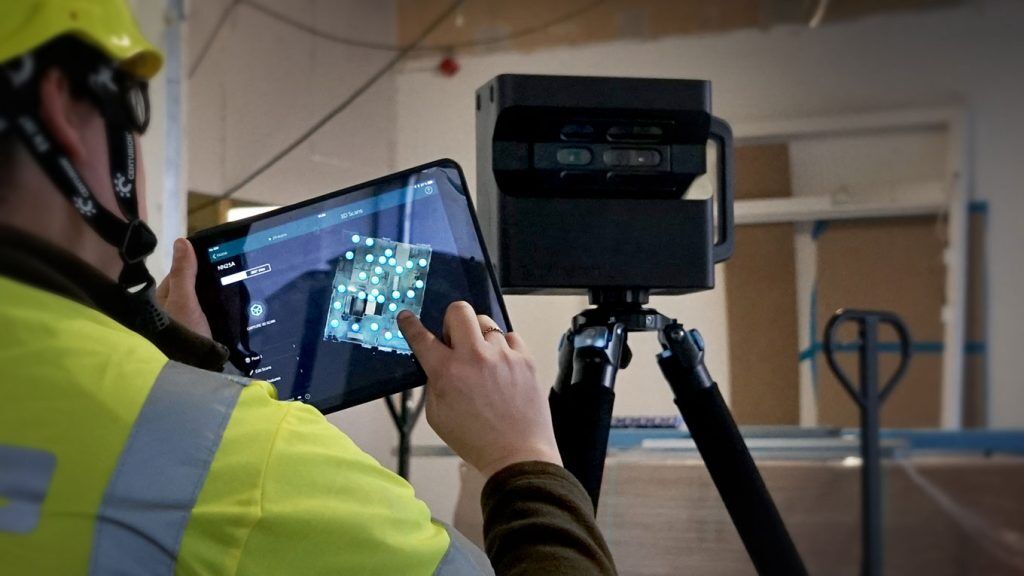
Although 3D laser scanning innovation has actually developed substantially in the last few years, its basic concept stays simple: catching the specific geometry of items making use of laser light beams. This technology employs laser light to measure distances between the scanner and different factors on a things's surface area. The information collected is then processed to create a comprehensive 3D design, precisely showing the measurements and shapes of the checked item.
Typically, 3D laser scanners can be categorized right into 2 major kinds: call and non-contact scanners. Call scanners literally touch the challenge collect dimensions, whereas non-contact scanners utilize laser beam of lights to catch data from a distance. The adaptability of this modern technology allows its application throughout different industries, including building, manufacturing, and architecture. Its ability to generate high-resolution versions helps with quality assurance, reverse design, and fast prototyping, ultimately boosting style precision and performance in production processes.
Advantages of 3D Laser Scanning in Manufacturing
As manufacturers seek to boost effectiveness and precision in their processes, the advantages of 3D laser scanning have come to be significantly obvious. This innovative modern technology enables for extremely accurate and quick dimensions of intricate geometries, considerably lowering the moment required for top quality checks. By capturing in-depth data, makers can determine inconsistencies early in the manufacturing procedure, thereby minimizing waste and remodel costs.
3D laser scanning helps with much better style recognition, making it possible for designers to contrast as-built conditions with initial requirements. This capability ensures that any kind of deviations are without delay resolved, improving overall item high quality. Additionally, the technology sustains the development of electronic twins, which can be made use of for simulations and procedure optimizations. Therefore, manufacturers not only increase their functional efficiency however additionally boost their affordable advantage in the marketplace. Overall, the integration of 3D laser scanning represents a transformative step toward accomplishing higher requirements in producing quality control.
Assimilation of 3D Laser Scanning Into Quality Assurance
Integrating 3D laser scanning right into quality assurance processes enhances the precision and efficiency of assessments throughout manufacturing. This modern technology allows producers to capture detailed, high-resolution information of settings up and components, enabling precise dimensions and comparisons against style specs. By using 3D laser scanning, companies can identify discrepancies from tolerances more efficiently, which is crucial for preserving product integrity.
Real-World Applications and Study
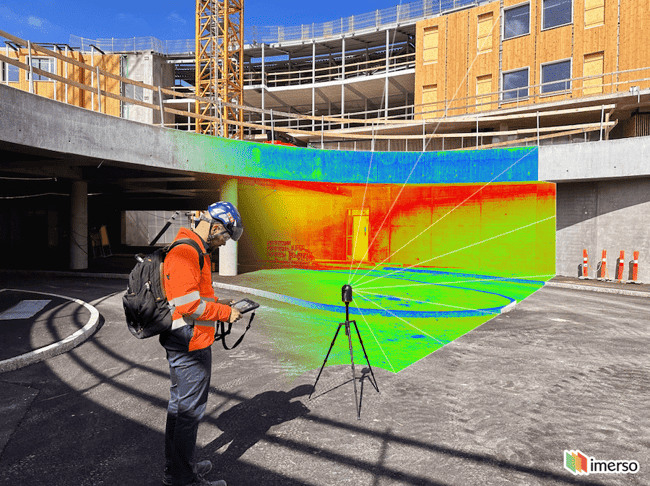
Real-world applications of 3D laser scanning in making demonstrate its transformative effect throughout numerous markets. Aerospace business use this technology to perform accurate inspections of elements, guaranteeing they meet stringent safety criteria. A remarkable instance included a leading airplane supplier that employed 3D laser scanning to simplify its quality control processes, considerably lowering visit this web-site examination times and errors.
In the automobile market, producers have actually implemented laser scanning to develop digital twins of their vehicles, allowing real-time adjustments during manufacturing. One auto firm reported a 30% reduction in rework expenses after incorporating this innovation right into their production line.
Moreover, in the durable goods market, companies are utilizing 3D laser scanning for quick prototyping, allowing for quicker versions and improved product styles. These applications illustrate just how 3D laser scanning not only enhances precision but likewise improves performance and development throughout multiple manufacturing domain names.
Conquering Obstacles in Implementation
Executing 3D laser scanning in making presents several difficulties that companies should browse to totally realize its benefits. One considerable difficulty is the initial expense of devices and software program, which can deter business from adopting this modern technology. Furthermore, incorporating 3D laser scanning right into existing operations requires conquering resistance to alter amongst staff members, demanding thorough training programs to ensure efficiency. Information monitoring additionally poses a challenge, as the high volume of information generated by 3D scanning should be successfully processed and analyzed to obtain workable insights. Additionally, compatibility concerns with tradition systems might impede seamless combination, demanding potential upgrades or modifications. Attending to these difficulties is necessary for suppliers intending to improve quality assurance and enhance production procedures. By creating clear methods for training, investment, and data management, firms can alleviate these challenges and release the transformative potential of 3D laser scanning in their procedures.
Future Patterns in 3D Laser Scanning for Manufacturing
As manufacturing proceeds to progress, the combination of 3D laser scanning with increased automation is anticipated to change production procedures. Enhanced information analytics will certainly play an important duty in enhancing and optimizing operations quality control. These fads highlight the capacity for greater performance and precision in producing environments.

Increased Automation Combination
Although the combination of automation in production has been progressive, the future of 3D laser scanning is poised to increase this pattern substantially. As manufacturing you can try here procedures come to be significantly intricate, the need for specific, real-time dimensions expands. 3D laser scanning modern technology supplies automated information capture, reducing labor costs and minimizing human mistake. This integration allows manufacturers to streamline quality assurance processes, making it possible for quick discovery of variances in manufacturing. Furthermore, the alignment of 3D laser scanning with robotics and automated systems helps with smooth procedures, improving general efficiency. As manufacturers take on these innovative innovations, they can expect improved precision and performance, positioning themselves competitively in a rapidly progressing market. The harmony in between automation and 3D laser scanning marks a significant jump ahead in manufacturing innovation.
Boosted Data Analytics
The integration of automation has actually led the way for innovations in information analytics within the domain of 3D laser scanning. Manufacturers are significantly leveraging advanced formulas and equipment discovering methods to analyze huge datasets generated by laser scans. This boosted data analytics capacity enables real-time tracking of making processes, making it possible for the identification of discrepancies and issues better than typical techniques. Anticipating analytics can visualize possible issues, substantially decreasing downtime and boosting overall effectiveness. Furthermore, the capability to envision data in 3 measurements offers much deeper insights right into manufacturing workflows, promoting far better decision-making. As 3D laser scanning innovation remains to evolve, the role of data analytics will certainly end up being progressively critical in driving development and preserving affordable benefit in production.
Frequently Asked Questions
What Industries Advantage one of the most From 3D Laser Scanning?
The sectors that profit most from 3D laser scanning consist of production, building and construction, aerospace, vehicle, and medical care. These markets make use of the innovation for precision measurements, quality control, and efficient design procedures, substantially enhancing Clicking Here general operational efficiency.
How Does 3D Laser Scanning Contrast to Typical Dimension Techniques?
3D laser scanning provides higher precision and speed compared to traditional dimension techniques. It captures detailed geometries quickly, lowering human mistake and helping with better evaluation, which inevitably improves overall top quality control in different industries.
What Is the Price of Carrying Out 3D Laser Scanning Modern Technology?
The cost of applying 3D laser scanning innovation differs significantly, generally varying from $10,000 to $100,000, depending upon training, tools, and software application. Organizations should consider these expenses versus potential effectiveness and quality enhancements.
Exist Particular Software Program Demands for 3D Laser Scanning?
Yes, 3D laser scanning calls for specific software application, consisting of data handling and modeling applications. Common selections include CAD software, point cloud handling devices, and specialized applications that help with the combination and evaluation of scanned information for perfect outcomes.
Just how Long Does a Normal 3D Laser Scanning Refine Take?
A typical 3D laser scanning process can take anywhere from a few mins to numerous hours, depending on elements like the dimension of the things, intricacy of the setting, and required level of detail for precision.
3D laser scanning innovation is changing top quality control in manufacturing. 3D laser scanning technology has progressed substantially in current years, its basic concept remains simple: recording the exact geometry of objects making use of laser beam of lights. Integrating 3D laser scanning right into quality control procedures enhances the precision and performance of examinations throughout production (3D Scanning). 3D laser scanning innovation offers automated information capture, reducing labor expenses and lessening human error. The price of implementing 3D laser scanning technology varies considerably, generally ranging from $10,000 to $100,000, depending on training, software program, and devices